Nervous System
Literacy
for Classrooms
Understanding dysregulation, burnout, and the neuroscience behind regulation in classrooms
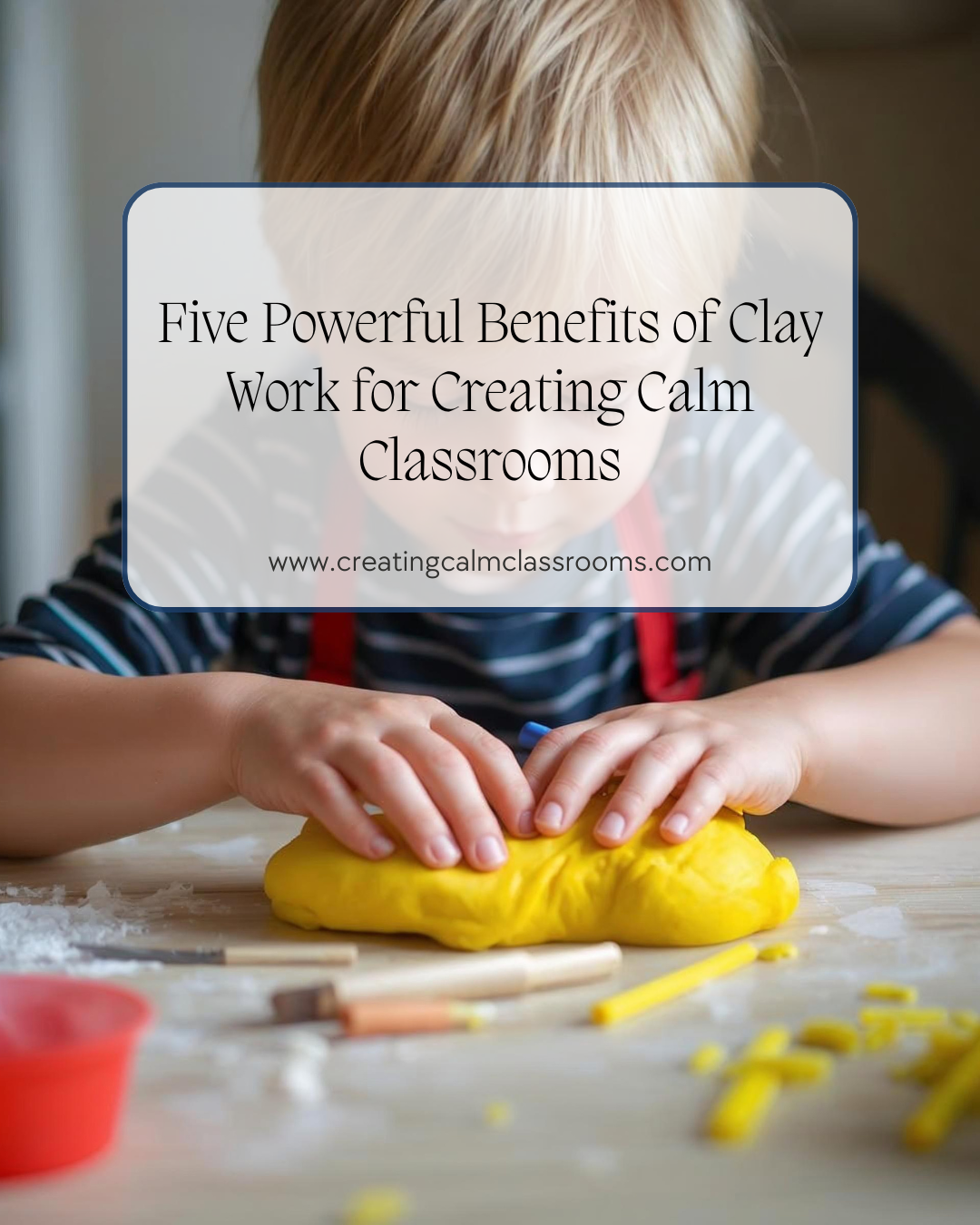
Five Powerful Benefits of Clay Work for Creating Calm Classrooms
What if clay could be one of your most powerful regulation tools? Not as art, but as a research-backed intervention that changes what's happening in students' nervous systems.
Clay work calms through bilateral stimulation, creates no-fail creative outlets, meets diverse sensory needs, builds transferable focus skills, and establishes transition rituals. This simple, inexpensive material transforms dysregulated moments into opportunities for grounding.
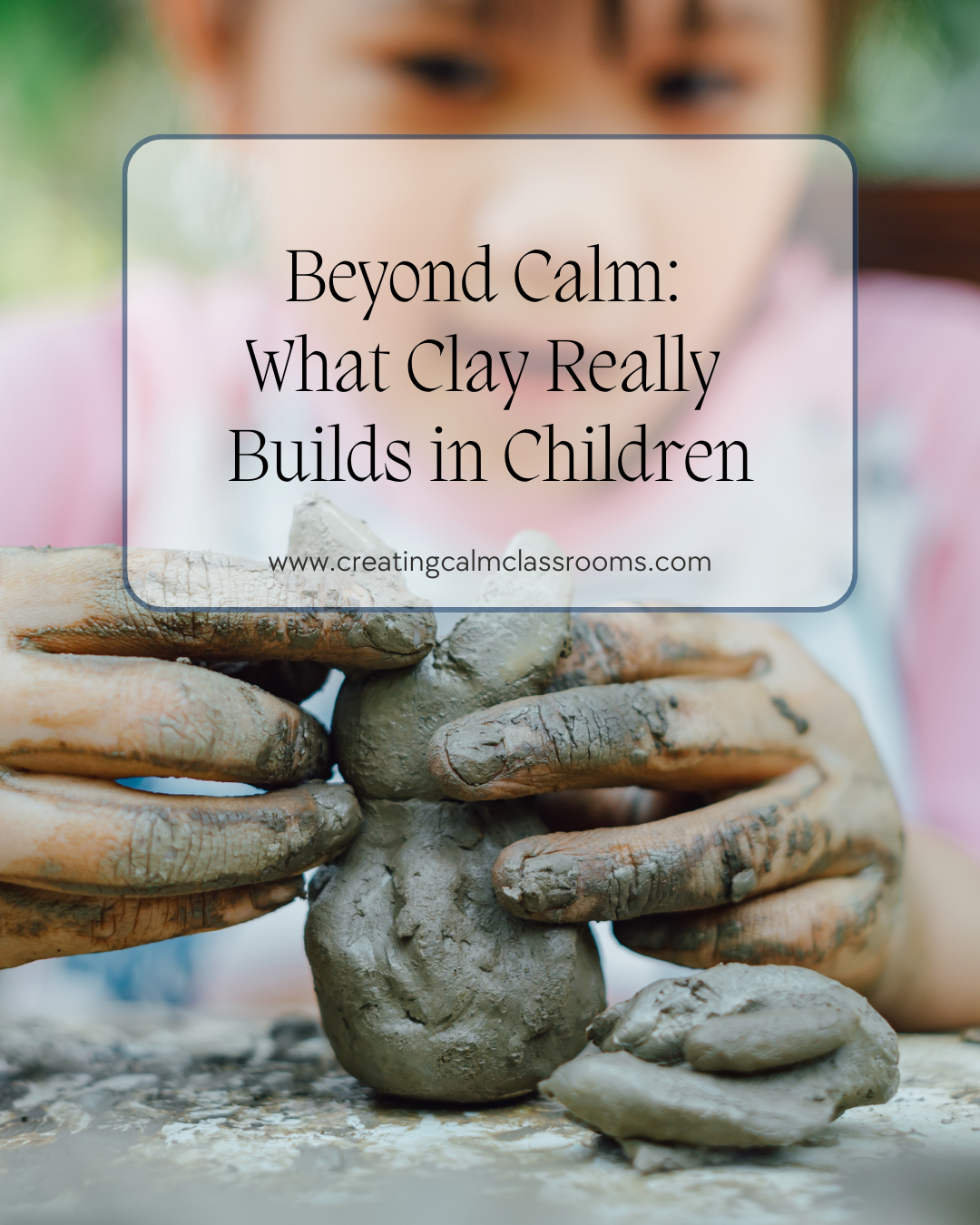
Beyond Calm: What Clay Really Builds in Children
Clay doesn’t just calm children—it builds the foundations for regulation, focus, and emotional resilience. This article explores what clay work is really doing beneath the surface, and why hands-on materials matter for developing nervous systems.

Why Clay Works: The Neuroscience Behind Hands-On Learning and Emotional Regulation in K–8 Classrooms
Clay is a powerful regulation tool. Learn how this ancient material provides powerful sensory input that supports focus, regulation, and resilience, especially in overstimulated or dysregulated classrooms.