
Nervous System
Literacy
for Classrooms
Understanding dysregulation, burnout, and the neuroscience behind regulation in classrooms
5 Brain-Science Hacks to Regulate Your Classroom (and Yourself)
The teachers who have the calmest classrooms aren't necessarily the strictest or the most experienced. They're the ones who understand what's happening inside their students' nervous systems and inside their own. Once you have that knowledge, everything changes. Your responses get faster, your strategies get sharper, and you stop taking the chaos personally. These five brain-science hacks are a starting point. They work. And once you understand why they work, you'll never look at a dysregulated student or a dysregulated day, the same way again.
The Stress Response You're Not Noticing: What Really Happens in Your Teacher Body
Teacher burnout is a nervous system load problem. Here’s what chronic classroom stress actually does inside your body and why teachers stay stuck in survival mode.
When Kids Know the Rules but Still Can’t Follow Them: A Nervous System Explanation
If you’ve ever thought, “They know better, so why isn’t this working?” this article breaks down how the nervous system, stress, and brain development affect children’s ability to self-regulate, and why understanding the body matters more than more reminders.
Why You Can’t Regulate Your Students When You’re Dysregulated
You can’t pour from an empty cup—and you can’t co-regulate from a dysregulated nervous system. This post explains why student behavior strategies fall flat when teachers are overwhelmed, and what nervous system literacy means for real classroom leadership.
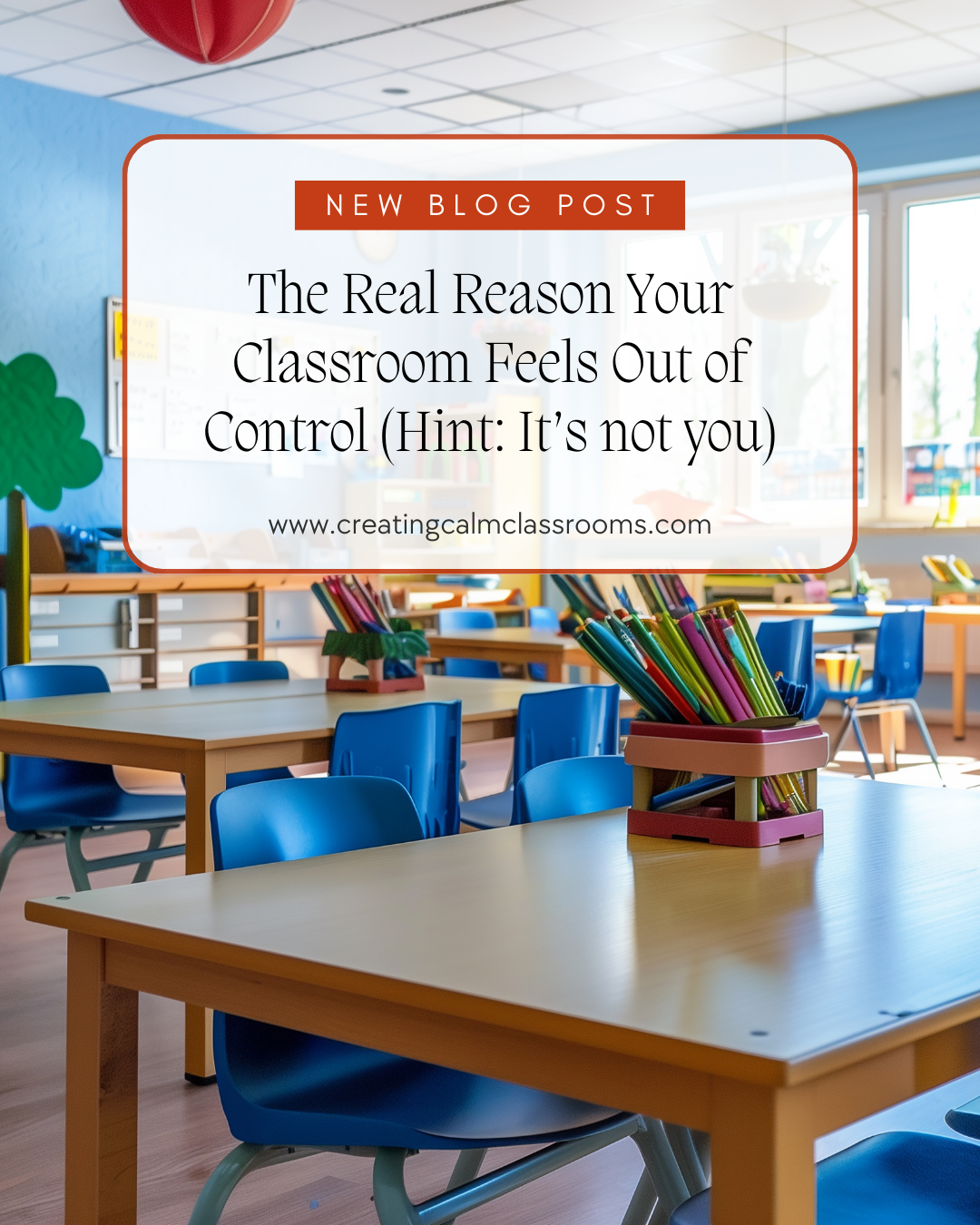
The Real Reason Your Classroom Feels Out of Control (Hint: It’s Not You)
Classrooms aren’t harder because teachers are doing something wrong—they're heavier because our systems are overloaded. This post breaks down how allostatic load impacts both students and educators, and why what you’re feeling is real, not failure.